
PROPERTY VALUATION INSIGHTS / Municipal valuations
What Evidence Do You Need for a Municipal Valuation Objection?
A useful objection explains what is wrong with the valuation and supports that explanation with evidence from the right date.
Published by C2C Property Valuations • 7 October 2026 • 5 min read
A higher municipal value can be unsettling, particularly when you are already watching your monthly costs. But “my rates are too high” and “the market value on the roll is wrong” are different issues. The first job is to establish which one you are dealing with.
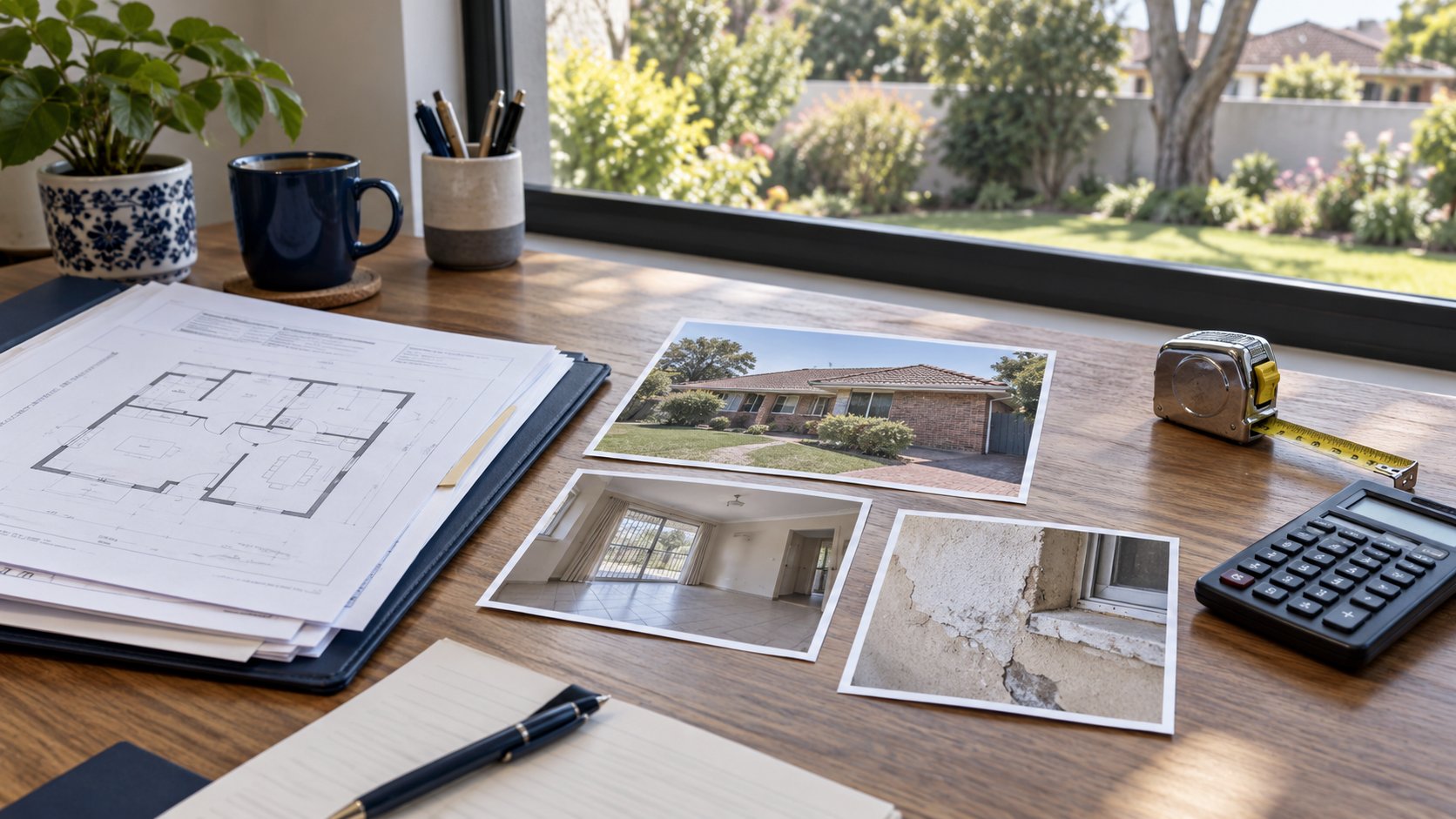
If the dispute concerns value, put together a short, organised evidence pack. Aim to make it easy for someone unfamiliar with the property to understand your reasoning.
The key point
Check the relevant valuation date and current objection notice first. Evidence of today’s prices may not answer a valuation made for an earlier date.
Start with the roll entry and current notice
Record the property’s legal description, value, category and valuation date. Check that the notice relates to your property and to the correct general or supplementary roll.
The valuation date, objection deadline and date a new rates bill takes effect serve different purposes. Write them down separately. Use your municipality’s current official notice to confirm the form, submission channel and deadline.
Johannesburg’s general valuation objection FAQ provides background on reasons and supporting evidence. It relates to a previous roll: do not use its dates as a current submission deadline. The SACPVP municipal valuation standard is a further professional reference.
Build an evidence pack that answers the issue
- The notice and municipal account: identify the roll entry being challenged and keep the account details available.
- A short statement of the problem: explain the disputed value or recorded information, and the correction you are seeking.
- Relevant property records: include available plans, area information and title or sectional-title details where they help establish the facts.
- Dated photographs: show the feature or condition you rely on, with a short explanation of when it existed.
- Comparable sales evidence: identify transactions and explain why the properties provide a useful comparison.
- An independent valuation, where appropriate: ask for an assessment addressing the relevant date and the purpose of the objection.
These are preparation suggestions, not a substitute for the documents required by the current municipal form. Include what is relevant and label the attachments clearly.
What makes a sale a useful comparison?
A nearby address is not enough on its own. Consider the sale date, property type, size, location, accommodation and condition. A renovated house on a larger stand may tell you less about an unrenovated property than its proximity suggests.
Asking prices show what sellers hope to achieve; they are not evidence that a sale took place at that amount. Where possible, distinguish verified transaction information from listings or informal estimates. Explain important differences instead of selecting only the lowest figures.
For a rented commercial building, income and lease information can also matter. Our guide to rental income and commercial property value explains the information a valuer may need.
Show why condition is relevant
Imagine that a property had substantial roof damage at the valuation date, but was repaired later. Photographs taken only after the repairs would tell an incomplete story. Earlier photographs, an inspection record and a dated repair quotation could help explain the sequence.
This is a hypothetical example, not a C2C case study. Repair costs do not automatically translate rand for rand into a reduction in market value. The evidence needs to show both the condition and its relevance to the valuation.
Avoid presenting a defect that arose later as though it existed at the required date. Where the timing is uncertain, say so.
Keep the submission concise and traceable
Use a simple contents list: notice, explanation, property records, photographs, sales evidence and valuation report. Give each file a useful name. A few relevant, clearly explained documents are easier to assess than a large collection with no connection to the objection.
Keep a complete copy of what you submit and any acknowledgement or reference number. Commissioning a valuation does not lodge an objection: confirm who is responsible for submission and follow-up.
When to involve an independent valuer
A professional assessment can help when the difference is material, the property is unusual, the evidence is conflicting or a historical valuation date makes comparisons difficult. It can also help you decide whether the proposed objection has a supportable basis.
C2C provides valuation reports for municipal objection matters across Gauteng. Send the address, roll notice, relevant valuation date and published deadline with your enquiry. We can confirm the report scope and timing; the municipal process determines the outcome.
If the problem is a tariff, payment allocation or another billing entry, check the appropriate municipal query process. A property valuation alone may not resolve it.
More practical valuation guides
C2C has provided property valuations since 2002 and is led by Brian Morgan, SACPVP-registered Professional Valuer (3702) and SAIV member (MOR008). Explore C2C’s valuation services.
Discuss valuation evidence for an objection
Send the property address, the reason for the valuation and your required timeframe. We’ll confirm the scope and provide a written quote.
C2C Property Valuations · Established 2002